
RomoCoat Epoxy Finish Paint
RomoCoat Epoxy Finish Paint is a two‑component, general‑purpose epoxy topcoat for steel in land and marine atmospheres, with good resistance to water and mild chemicals but a tendency to chalk under UV/weathering (so best under a PU or for interiors/semi‑sheltered areas).
Product description
Designed as an epoxy finishing coat for structural steel and equipment exposed to atmospheric, marine and general industrial conditions, where chemical and water resistance are important.
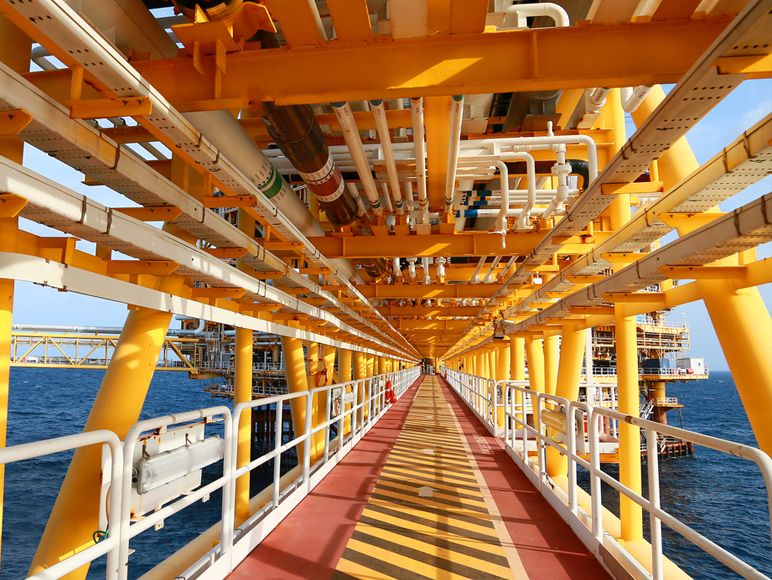
Typical applications
Structural steel & industrial plants
Marine and coastal atmospheres (non‑decorative or under PU)
Tanks, process equipment and piping (externals & internals where suitable)
Floors, concrete & secondary containment (light/medium duty)
OEM & maintenance coating
Important note for usage: Epoxy topcoats chalk and lose gloss under sunlight/UV; for long‑term decorative exterior finish, overcoat with a polyurethane or use epoxy only in shaded/indoor zones.
Product Data Sheet
| Property | Details |
|---|---|
| Mixing ratio | 3 : 1 by volume (Base : Hardener). |
| Pot life | 4–6 hours at 30 °C. |
| Application methods | Airless spray, conventional air spray, brush |
| Nozzle orifice (airless) | 0.017″–0.019″. |
| Volume solids | Approx. 45%. |
| Finish | Glossy |
| Colour | As required (tin table range). |
| Recommended DFT per coat | 80–100 µm.. |
| Theoretical spreading rate | 18.00–12.85 m²/L at 25–35 µm DFT (on smooth steel; practical coverage lower due to losses). |
| Surface dry | 1–1.5 hours at 30 °C. |
| Hard dry | ~16 hours at 30 °C. |
| Full dry | ~7 days at 30 °C. |
| Overcoating interval | minimum 16 hours, maximum 4 weeks. |
| Flash point | Above 23 °C. |
| Thinner | RP epoxy thinner. |
Surface Preparation
- Substrate must have a suitable epoxy primer or undercoat; steel should be properly blasted/cleaned as per the primer’s requirements (typically Sa 2½ for new steel).
- Before applying RomoCoat Epoxy Finish, ensure the primer/intermediate is fully cured within its overcoat window, clean and free from salts, oil, grease, dust and other contaminants.
- Old painted surfaces: remove loose/defective coating and rust; sound firmly adhering coatings must be roughened (sanding or sweep‑blasting) to provide a mechanical key before overcoating.
Typical systems:
- Epoxy primer (zinc phosphate / zinc rich) → Epoxy high‑build / MIO intermediate → Epirose Epoxy Finish (for industrial / marine atmospheres where a PU topcoat is optional or used only in exposed zones).
Application guidance
- Mix base and hardener accurately at 3:1 by volume and stir until homogeneous; maintain pot‑life limits.
- Adjust viscosity with epoxy thinner only as required for spray; excessive thinning reduces DFT and performance.
- Apply 1–2 coats to reach specified total finish DFT; avoid heavy single‑coat build to minimize sagging.
- Respect overcoating interval (min 16 hours, max 4 weeks); if max interval is exceeded, lightly abrade before recoating to ensure intercoat adhesion.
Health & Safety
- Avoid inhalation of solvent vapours and spray mist and avoid contact with skin and eyes; use gloves, goggles and suitable respirator according to local regulations.
- Provide forced ventilation when applying or curing in confined or poorly ventilated areas.
Storage
Store in a cool, dry, well‑ventilated place; keep containers tightly closed and away from direct sunlight and heat/ignition sources.