
RomoCoat PhosGuard RP Blue
Light Phosphating Rust Preventive Pretreatment Coating
RomoCoat PhosGuard RP Blue is a single-pack, air-drying, light phosphatizing protective coating formulated to provide corrosion resistance without requiring multi-tank phosphating systems, heated tanks or water-treatment infrastructure.
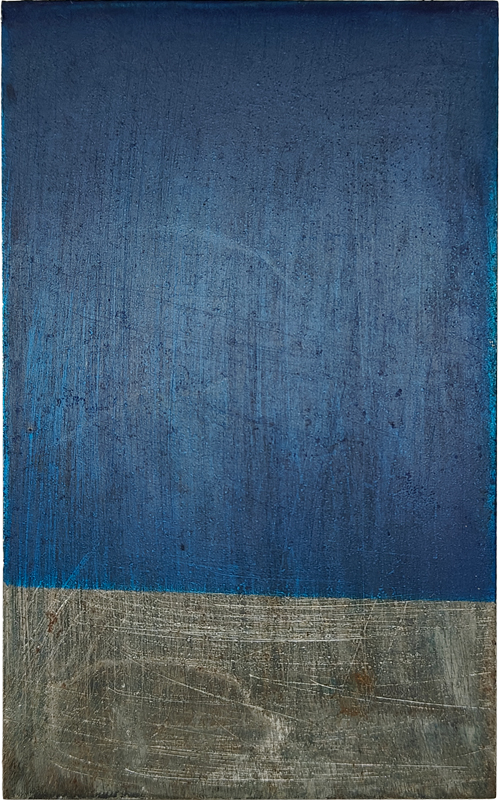
The product forms a thin, light phosphate coating on ferrous metal substrates, offering excellent adhesion for subsequent paint finishes and effective under-film corrosion protection. The blue – Colour finish makes application coverage easily visible during spraying, ensuring consistent coverage without gaps.
Key Features
- Single-pack system; ready to use, no mixing.
- Light phosphating action forming a thin phosphate layer at 5–10 microns DFT.
- Air-drying with option to stove at low temperature (100 °C for 5 minutes).
- Provides excellent mechanical key and adhesion for alkyd, polyester, epoxy and polyurethane topcoats.
- Under-film corrosion resistance; reduces spread of rust from damaged topcoat areas.
- Very low film build, ideal for precision parts and complex geometries.
- Supplied at application viscosity; no thinner required in normal conditions.
- Blue – colour helps visual confirmation of uniform coverage.
Practical areas of application (without overcoating on your line)
- Storage protection for fabricated steel parts: press parts, brackets, frames, structures that may sit in your or customer’s warehouse for weeks/months before final painting elsewhere.
- In‑process protection for job‑work / machining shops: supply machined or fabricated components to OEMs with a rust‑free, “paint‑ready” thin film instead of sending them bare.
- Drums, barrels and engineering components: internal factory or customer inventory where only temporary rust protection is required and final user will later blast/prime/topcoat by their own system.
- Spare parts and maintenance stocks: bolts, brackets, supports, small steel items stored in stores/yard where only clean, non‑flaky, rust‑free condition is needed, not a decorative topcoat.
- Export packing and long‑distance transport: coat parts before packing so that during sea/road transit they arrive rust‑free, and buyer will later remove/lightly clean and paint with their preferred system
Product Data Sheet
| Property | Details |
|---|---|
| Type | Single-pack, air-drying light phosphating coating. |
| Finish | Slight / light shining |
| Colour | Blue (other colours on request). |
| Volume solids | Approx. 7%. |
| Recommended DFT/coat | 5–10 microns. |
| Theoretical spreading rate | 14.0–7.0 m²/L at 5–10 µm DFT. |
Drying & Curing:
| Property | Details |
|---|---|
| Surface dry | 10–15 minutes at 30 °C. |
| Hard dry | 8 hours at 30 °C or stove 100 °C for 5 minutes. |
| Overcoating interval | Minimum 8 hours; maximum no limit. |
| Flash point | Above 23 °C. |
| Thinner | Not required (supplied at application viscosity). |
Surface Preparation
- Surface must be dry and free from oil, grease, dust, rust and other contaminants.
- Preferred: Abrasive blast cleaning to Sa 2½ (Swedish / ISO 8501-1).
- If blasting not possible, use power tools or hand tools to remove loose contamination and rust; then blow down with clean dry air.
- Apply within a few hours of cleaning to avoid flash rust in humid conditions.
Pre-application checklist:
- Cleaned to Sa 2½ or best possible mechanical cleaning.
- Surface free from moisture and visible contaminants.
Application
Application methods: Air spray, brush.
Spray application (recommended):
- Stir thoroughly before use.
- Adjust gun for a fine, even spray; 6–8 inch distance, 50% overlap.
- Aim for 5–10 µm DFT in a single coat (very thin film).
- Allow 10–15 minutes for surface dry before handling.
Brush application (small areas):
- Use for touch-ups or small components.
- Apply in thin, even coats; avoid heavy build.
Health & Safety
- Cleaned to Sa 2½ or best possible mechanical cleaning.
- Surface free from moisture and visible contaminants.
Storage & Handling
- Avoid inhaling solvent vapour or paint mist and prevent contact with skin and eyes.
- Ensure good ventilation when using in confined or poorly ventilated areas.
- Use appropriate PPE: gloves, safety glasses and suitable respiratory protection as per local regulations.
- Do not discharge into drains or watercourses; dispose of waste according to local environmental rules.